You Won’t Believe These Natural Escapes Just Outside Amman
Who knew that just beyond the bustling streets of Amman, you can find serene nature spots that feel a world away? I was blown away by how easy it is to escape the city and dive into breathtaking landscapes—from dramatic canyons to green highlands. If you're craving fresh air and real quiet, Jordan’s natural areas near the capital are a game-changer. Let me show you the most accessible, underrated outdoor gems that locals love and visitors often miss.
Why Nature Matters in a City Break
Traveling through a vibrant city like Amman offers rich cultural experiences, from bustling souks to historic ruins perched on sunlit hills. Yet, without moments of stillness and connection to the natural world, even the most exciting urban adventures can begin to feel overwhelming. This is where nearby nature becomes not just a luxury, but a necessity for holistic well-being. Studies consistently show that spending time in green or open natural spaces reduces stress, improves mood, and enhances mental clarity. For travelers, especially women managing family trips or personal journeys of renewal, these benefits are invaluable.
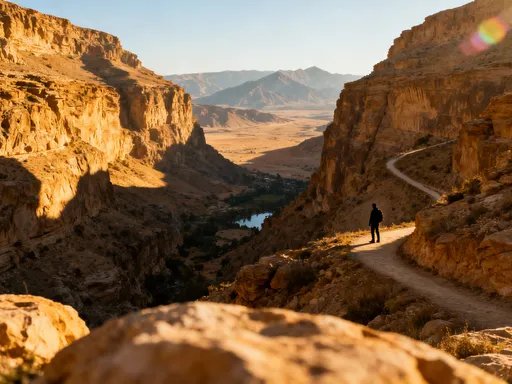
Amman’s geographic position makes it uniquely fortunate. Nestled in the highlands of northwest Jordan, the city sits at the crossroads of diverse ecosystems. Within an hour’s drive in any direction, the landscape transforms dramatically—rolling pine forests give way to arid desert valleys, fertile highlands slope into dramatic wadis, and freshwater springs emerge in unexpected places. This variety means that every escape offers something different: a shaded forest path for quiet reflection, a high vantage point for panoramic views, or a gentle trail suitable for all ages and fitness levels.
What’s more, integrating nature into a city trip doesn’t require elaborate planning or long journeys. These nearby escapes are accessible, often requiring no overnight stays or specialized gear. They provide balance—a chance to breathe deeply, stretch your legs, and reset your senses after days of sightseeing. For mothers, caregivers, or anyone seeking peace amid travel’s chaos, a few hours in nature can restore energy and perspective. It’s not about replacing urban exploration but enriching it with moments of calm and connection.
Additionally, Jordan has made significant efforts to protect its natural heritage through conservation initiatives led by organizations like the Royal Society for the Conservation of Nature (RSCN). These efforts ensure that trails remain safe, signage is clear, and wildlife is protected. As a result, visitors can enjoy these spaces responsibly, knowing their presence supports sustainable tourism and local stewardship. By choosing to explore these natural areas, travelers contribute to their preservation while gaining profound personal rewards.
Wadi Al-Seer: The Hidden Valley Next Door
Tucked just west of central Amman, Wadi Al-Seer is a quiet ravine that offers a surprising contrast to the city’s energy. Though surrounded by residential neighborhoods, this natural corridor remains remarkably peaceful, with rocky slopes, seasonal streams, and pockets of native vegetation. It’s one of the closest nature spots to downtown, making it ideal for a spontaneous afternoon walk or a morning stretch before the heat rises. Locals often come here to walk, meditate, or simply sit on a boulder and enjoy the view over the valley.
The area features a network of informal trails that wind through the hills, some leading to small clearings with panoramic city views. While not as developed as national parks, Wadi Al-Seer’s simplicity is part of its charm. You won’t find ticket booths or cafés, but you will encounter the sounds of wind through acacia trees, the sight of lizards darting across warm rocks, and the occasional sighting of kestrels hovering above. In spring, wildflowers bloom in bursts of yellow and purple, adding color to the rugged terrain.
Visitors should plan their trip for early morning or late afternoon, especially during summer months when temperatures in Amman can climb. Wearing comfortable walking shoes with good grip is essential, as some paths are uneven or loose with gravel. A wide-brimmed hat, sunscreen, and plenty of water are also recommended. There are no restrooms or water stations in the wadi, so preparation is key. Bringing a light snack or a thermos of herbal tea can make a short visit feel like a mini retreat.
Accessing Wadi Al-Seer is straightforward. It’s reachable by car from central Amman in about 15 to 20 minutes, depending on traffic. Parking is available along the roadside near the trailheads, though spaces can be limited on weekends. Taxis or ride-sharing services can also drop you off at the main entrance points. Because it’s not heavily promoted to tourists, the area remains uncrowded, offering a rare sense of solitude just minutes from the city center. For families, it’s a safe and easy way to introduce children to nature without traveling far.
Aljoun Forest Reserve: Jordan’s Green Lung
About an hour north of Amman lies Aljoun Forest Reserve, a refreshing expanse of rolling hills covered in pine, oak, and carob trees. Often described as Jordan’s green lung, this protected area offers a Mediterranean-like climate and lush scenery that feels worlds apart from the desert landscapes many associate with the country. Managed by the RSCN, the reserve spans over 13 square kilometers and serves as a sanctuary for native flora and fauna, including foxes, porcupines, and more than 120 bird species.
Walking through Aljoun is like stepping into a shaded woodland retreat. The air is cooler and carries the scent of pine resin and damp earth. Well-marked trails range from easy loops suitable for beginners to longer hikes that climb to elevated viewpoints. One popular route leads to the remains of the 12th-century Aljoun Castle, offering both natural beauty and a touch of history. Picnic areas with benches and shade structures allow families to enjoy meals outdoors, and the visitor center provides maps, educational displays, and restrooms.
Birdwatching is a highlight here, particularly in spring and autumn when migratory species pass through. With a pair of binoculars, visitors might spot Syrian woodpeckers, Palestine sunbirds, or even the rare Bonelli’s eagle. The reserve’s commitment to conservation means that habitats are carefully maintained, and invasive species are managed to protect biodiversity. Educational programs for schools and guided tours for visitors help raise awareness about the importance of forest preservation.
Entry fees are modest and support ongoing conservation work. The reserve is open daily, though it’s best to arrive early to avoid midday heat and ensure time to explore fully. Guided tours can be arranged in advance through the RSCN website or local eco-tourism operators, offering deeper insights into the ecosystem. For those driving, there is ample parking near the main gate. The roads leading to Aljoun are well-maintained, making it a comfortable journey even for those unfamiliar with Jordan’s terrain.
Aljoun is especially welcoming to families and older adults seeking gentle outdoor activity. The trails are generally well-graded, and the peaceful atmosphere encourages slow, mindful walking. It’s a place to unplug, listen to birdsong, and feel the breeze in the treetops. Whether you spend two hours or a full day, the forest offers a restorative pause from daily routines and urban noise.
Dana Biosphere Reserve: A Full-Day Adventure Worth It
For those ready for a deeper immersion into Jordan’s natural wonders, Dana Biosphere Reserve is a must-visit destination. Located about three hours southwest of Amman, this expansive reserve spans 300 square kilometers and descends over 1,500 meters in elevation—from cool highlands to hot desert plains. This dramatic change in altitude creates four distinct bio-geographical zones, making Dana one of the most ecologically diverse areas in the Middle East.
The reserve is home to over 600 plant species, 37 mammal species, and nearly 200 types of birds. Among its most celebrated residents is the Nubian ibex, a graceful mountain goat with curved horns that clings to steep cliffs with astonishing agility. Other rare species include the caracal, a sleek wild cat with tufted ears, and the Syrian serin, a small songbird found almost exclusively in this region. Conservation efforts have helped stabilize populations, and visitors may spot these animals with patience and quiet observation.
Hiking is the primary way to experience Dana, and trails cater to various fitness levels. The most famous route, the Dana to Feynan trail, is a challenging full-day trek that rewards hikers with ever-changing views—red sandstone canyons, olive groves, and remote stone villages. For a shorter option, the Al-Feynan loop offers stunning vistas and a chance to visit the eco-luxury Feynan Ecolodge, which runs entirely on solar power and supports local Bedouin communities.
Reaching Dana from Amman can be done by private car or through organized tours. Self-drivers should ensure their vehicle is in good condition, as some roads are unpaved and require careful navigation. Fuel stations are available in nearby towns like Tafilah, but it’s wise to fill up before leaving Amman. Several reputable tour operators offer guided day trips or overnight packages that include transportation, meals, and expert naturalist guides. These tours enhance the experience by providing context about the landscape, geology, and cultural history of the region.
Staying overnight in Dana allows visitors to experience the magic of the desert night—clear skies filled with stars, the silence of the wilderness, and the cool evening air. The Feynan Ecolodge offers candlelit dinners and storytelling sessions that connect guests to local traditions. Even a day trip, however, offers a powerful sense of escape and discovery. Whether you’re hiking through a narrow gorge or pausing to admire a rare flower clinging to a rock face, Dana invites deep appreciation for nature’s resilience and beauty.
The Jordan Valley Route: Scenic Drives and Quiet Stops
Traveling from Amman down to the Dead Sea along the King’s Highway and then east into the Jordan Valley offers one of the most scenic drives in the country. This route descends sharply from the capital’s 800-meter elevation to the lowest point on Earth, creating a constantly shifting landscape. Along the way, travelers pass terraced hills, banana plantations, and small farming villages where life moves at a slower pace.
Several well-marked viewpoints invite drivers to pull over and take in the vastness of the valley. One notable stop is near the village of Al-Ma’in, where the road curves around a cliffside offering panoramic views of green fields stretching toward the horizon. Another favorite is the overlook near Wadi Al-Gharaba, where the contrast between arid mountains and fertile farmland is striking. These quiet spots are perfect for stretching your legs, taking photos, or simply breathing in the warm, dry air.
The Jordan Valley is also home to therapeutic hot springs and waterfalls, some of which feed into resorts and spas. While public access varies, certain areas allow visitors to dip their feet or walk along stone paths beside flowing water. These natural features are especially inviting in the cooler months, when the surrounding desert blooms with seasonal flowers.
When driving this route, it’s important to plan ahead. Fuel stations are available in larger towns like Jericho and Al-Karamah, but spacing between them can be significant. Carrying extra water, snacks, and a basic emergency kit is wise. Summer temperatures can exceed 40°C, so avoiding travel during midday heat is recommended. Early morning or late afternoon drives offer the most comfort and the best light for photography.
Along the way, you may encounter local farmers selling fresh produce—zucchini, cucumbers, and citrus fruits—at roadside stands. Buying directly from growers supports rural communities and provides a taste of Jordan’s agricultural bounty. For families, these stops add an educational element, showing children where food comes from and how farming adapts to desert conditions.
Azraq Wetland Reserve: A Desert Oasis Surprise
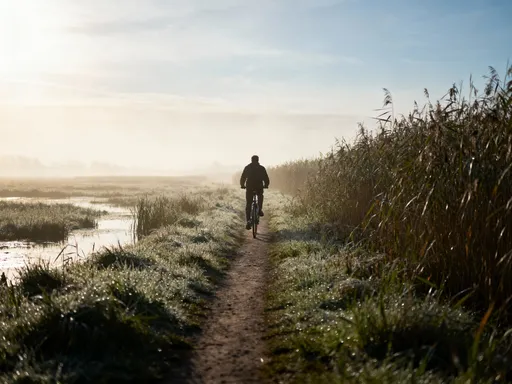
In the heart of Jordan’s eastern desert, Azraq Wetland Reserve stands as a miraculous contrast—a patch of reeds, pools, and birdlife where you’d expect only sand and silence. Once a vast freshwater oasis, Azraq has been carefully restored by the RSCN after decades of overuse depleted its springs. Today, it serves as a vital stopover for migratory birds traveling between Africa and Eurasia, including white storks, pelicans, and the endangered greater flamingo.
Boardwalks and viewing hides allow visitors to explore the wetlands without disturbing the habitat. From these vantage points, you can watch herons stalk fish in shallow waters, ducks glide across ponds, and warblers flit through reeds. Informational signs identify species and explain the conservation work underway. The visitor center offers maps, restrooms, and a small exhibit on the area’s ecological and historical significance.
The reserve is best visited in winter and early spring, when water levels are highest and bird activity peaks. Even in summer, however, the shaded paths and presence of water create a cooling effect, making it a refreshing detour. Entry fees are minimal and directly support wetland maintenance and community outreach programs.
Azraq’s cultural history is equally compelling. Nearby stands the imposing Azraq Castle, a Roman-era fortress later used by the Ottoman army and famously occupied by T.E. Lawrence during the Arab Revolt. Visitors can combine a nature walk with a historical tour, gaining a fuller picture of how humans and nature have interacted in this fragile environment. The castle’s basalt walls rise starkly against the pale desert, a reminder of the region’s strategic importance through the centuries.
Reaching Azraq from Amman takes about two hours by car. The drive is straightforward, mostly on well-paved highways. As with all desert travel, carrying extra water and checking fuel levels is essential. While facilities in the surrounding town are limited, the reserve itself is well-organized and welcoming to families and independent travelers alike. It’s a place that inspires awe—not just for its beauty, but for what it represents: the possibility of ecological renewal even in the harshest conditions.
Planning Your Nature Escape: Practical Checklist
Preparing for a nature excursion near Amman doesn’t have to be complicated, but a few key steps can make the experience safer and more enjoyable. First, always check the weather forecast before heading out. Jordan’s climate varies greatly by region and season—what’s mild in the highlands can be scorching in the valley. Mornings are generally the best time for outdoor activities, especially in summer.
Packing wisely is essential. A reusable water bottle, sun protection (hat, sunglasses, SPF 30+ sunscreen), and layered clothing are must-haves. Even in warm weather, temperatures can drop quickly in shaded areas or at higher elevations. Sturdy walking shoes with good traction will keep you stable on rocky or uneven terrain. Don’t forget a small backpack to carry snacks, a first-aid kit, and a fully charged phone.
For navigation, rely on trusted sources. The RSCN website provides updated information on reserve hours, trail conditions, and entry fees. Apps like AllTrails or Google Maps can help locate trailheads, though offline maps are advisable in areas with spotty signal. If you’re not driving yourself, consider booking a guided tour through a reputable company—many specialize in eco-friendly, small-group experiences tailored to families and women travelers.
Equally important is practicing responsible tourism. Stick to marked trails to protect vegetation and prevent erosion. Carry out all trash, including food wrappers and biodegradable items like fruit peels, which can disrupt local ecosystems. Avoid disturbing wildlife or feeding animals. Respecting local customs and private property, especially in rural areas, ensures positive interactions and helps preserve these spaces for future generations.
By following these simple guidelines, you contribute to the sustainability of Jordan’s natural treasures while enjoying them to the fullest. These places thrive not just on conservation funding, but on the mindful choices of visitors who care.
Conclusion: Reconnect, Refresh, and Rediscover Jordan
The natural escapes just beyond Amman are not mere footnotes to a city itinerary—they are essential chapters in any meaningful journey through Jordan. They offer balance, beauty, and a chance to reconnect with the rhythms of the earth. Whether you’re walking through a quiet wadi, breathing in the pine-scented air of Aljoun, or marveling at flamingos in a desert wetland, these experiences enrich the soul and broaden your understanding of this remarkable country.
For women who travel—whether alone, with partners, or with children—these natural spaces provide sanctuary and strength. They remind us that adventure doesn’t always require grand plans or distant destinations. Sometimes, it’s a short drive, a pair of walking shoes, and the courage to step off the pavement and into the wild.
As Jordan continues to grow as a destination for mindful travel, its natural landscapes stand as testaments to resilience, renewal, and quiet wonder. So on your next visit, let the call of the wild guide your path. Plan a day, or even a few hours, to explore what lies beyond the city. Breathe deeply. Listen closely. Let nature restore you. Because in these quiet corners of Jordan, you don’t just see the country—you feel it.