You Won’t Believe These Hidden Architectural Gems in Komodo
When you think of Komodo, Indonesia, chances are your mind jumps to dragons, pink beaches, or epic diving spots. But honestly? I was blown away by something no one talks about — the quiet beauty of its local architecture. From traditional wooden rums raised on stilts to intricately carved village gates, these structures aren’t just functional — they tell stories. This is more than travel eye candy; it’s cultural resilience carved in wood and woven in bamboo. Let me take you where the real Komodo begins — beyond the postcard.
Beyond the Dragon: A Different Side of Komodo
Komodo National Park, a UNESCO World Heritage Site, is globally celebrated for its namesake monitor lizards and pristine marine ecosystems. Yet beneath the roar of adventure tourism lies a quieter, equally compelling narrative — one etched into the very fabric of village life through architecture. While most visitors focus on wildlife encounters and snorkeling trails, few pause to notice the handcrafted homes, shaded pavilions, and ancestral markers that dot the islands of Komodo and Rinca. These structures, often overlooked, represent centuries of adaptation, community wisdom, and harmony with nature. They are not monuments built for spectacle but humble designs shaped by survival, climate, and cultural continuity.
Exploring Komodo through its architecture offers a deeper form of travel — one that moves beyond checklist tourism. Instead of ticking off dives and dragon sightings, you begin to see how people have lived in balance with a rugged environment for generations. The elevated homes protect against seasonal tides; the open-air layouts respond to tropical heat; the use of local materials reflects a deep understanding of available resources. This architectural heritage isn’t preserved behind glass or museum ropes. It lives in everyday use, in the way a grandmother sweeps the porch of her stilt house or children play beneath the shadow of a carved village gate. To witness it is to engage with Komodo’s soul, not just its surface.
What makes this built environment so special is its authenticity. Unlike reconstructed cultural villages designed for tourists, these structures are not performances. They are real homes, real gathering spaces, real expressions of identity. And because they are functional, their design speaks directly to the needs of island life — protection from humidity, ventilation in sweltering heat, resilience against salt air and monsoon rains. By shifting focus from the exotic to the everyday, travelers gain access to a richer, more respectful form of discovery. The dragons may draw you in, but the architecture keeps you grounded in the human story of Komodo.
Traditional Manggarai and Komodo Village Homes
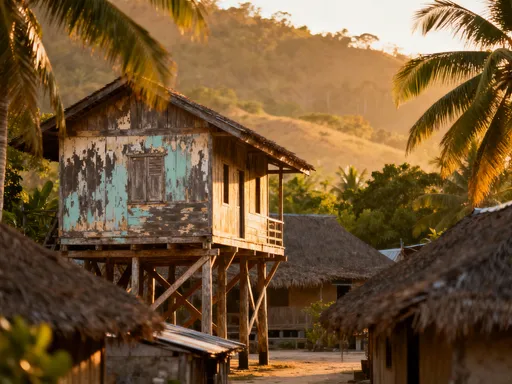
Scattered across the villages of Komodo and Rinca, traditional homes stand as quiet testaments to practical ingenuity and cultural continuity. Built primarily by communities with roots in the Manggarai ethnic group from neighboring Flores, these houses — locally known as rums — follow a design refined over generations. Constructed from ironwood, bamboo, and alang-alang grass thatch, they are raised on sturdy wooden stilts, typically two to three meters above the ground. This elevation serves multiple purposes: it allows air to circulate beneath the floor, reducing dampness and cooling the interior, while also protecting inhabitants from flooding during the rainy season and deterring wildlife, including the Komodo dragons that roam freely nearby.
The layout of these homes reflects both social structure and environmental adaptation. Most consist of a single large room divided functionally rather than walled off — sleeping areas, cooking spaces, and family gathering zones coexist within an open plan. Cooking is often done outdoors or in a separate small kitchen structure to minimize fire risk and indoor smoke. The walls are made of woven bamboo or planks with deliberate gaps that allow breeze to flow through, a passive cooling technique long before modern air conditioning. Roofs are steeply pitched to shed heavy tropical rain and are thatched with dried grass, which provides natural insulation against the sun’s intensity.
What may seem like simple construction is in fact a sophisticated response to island living. Every element has purpose. The use of local materials ensures sustainability and low environmental impact. The orientation of the house often considers wind patterns and sunlight, maximizing comfort. Even the choice of wood — typically durable, termite-resistant species like bitti or eucalyptus — reflects deep ecological knowledge passed down through families. These homes are not static relics but evolving dwellings, with some modern updates like corrugated metal roofs appearing where thatch is harder to maintain. Yet the core design principles remain intact, a testament to their enduring effectiveness.
Sacred Spaces: Ancestral Shrines and Community Structures
Within the village compounds of Komodo and Rinca, small but meaningful structures mark the spiritual heartbeat of the community. These are not grand temples or ornate places of worship, but modest wooden shrines and communal buildings that hold deep ancestral significance. Known locally as gado or neon, these spaces serve as places for family rituals, offerings, and quiet reflection. Carved with symbolic motifs — often geometric patterns or stylized representations of nature — they reflect a belief system rooted in harmony with the natural world and reverence for ancestors.
The design of these sacred spaces follows the same principles of simplicity and integration with the environment. Typically small and open-sided, they are built on stone or wooden platforms and feature sloped roofs similar to residential homes. Their placement within the village is intentional — often near the center or at a boundary point — signifying their role as connectors between the human and spiritual realms. Unlike tourist-facing attractions, these sites are not open for casual visits. They are respected as private, living parts of cultural practice, and visitors are expected to observe from a distance unless invited by community elders.
Equally important are the communal longhouses, sometimes used for village meetings or ceremonial gatherings. Though less common today due to modernization, some communities still maintain these structures as symbols of unity and collective memory. Their interiors are unadorned but spacious, designed to accommodate elders and families during important events. The carvings on support beams or entrance posts often tell stories of migration, lineage, or mythological figures, serving as oral history in wood. These spaces remind us that architecture is not only about shelter but also about meaning — about creating places where identity is nurtured and tradition is lived.
Port Architecture in Labuan Bajo: A Fusion of Old and New
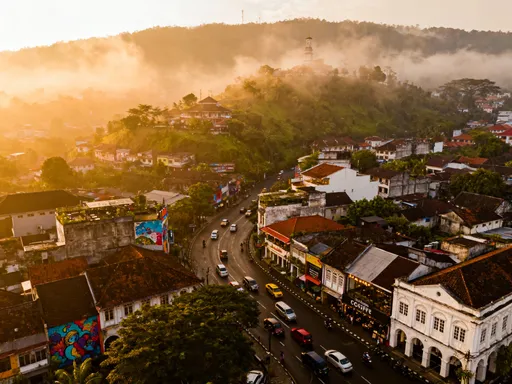
As the primary gateway to Komodo National Park, Labuan Bajo has evolved from a quiet fishing village into a bustling tourism hub. Yet even as new guesthouses, restaurants, and marinas reshape its waterfront, the town retains a visible thread of traditional design. Along the shoreline, weathered wooden fishing huts — known as perahu sheds — still stand, their roofs sagging slightly under years of sun and salt. These simple structures, built to house boats and drying nets, reflect the rhythms of a maritime lifestyle that continues alongside the tourism economy.
What’s more striking, however, is how modern architecture in Labuan Bajo is beginning to draw from local aesthetics. Many newer accommodations, from boutique hotels to eco-lodges, incorporate design elements inspired by traditional Komodo homes: sloped thatched or metal roofs, open-air lounges, natural wood finishes, and elevated foundations. This architectural blending is not merely decorative — it serves practical purposes. High ceilings and cross-ventilated layouts reduce reliance on air conditioning, while shaded verandas provide relief from the midday sun. Some resorts even use local artisans to create hand-carved railings or woven wall panels, supporting craftsmanship while enhancing authenticity.
This fusion of old and new creates a skyline that feels both contemporary and rooted. Unlike destinations where rapid development erases local character, Labuan Bajo offers a model of thoughtful evolution. The best examples of new construction don’t imitate tradition but interpret it — using modern materials to achieve the same goals of comfort, sustainability, and cultural resonance. Walking through the town, one can see how architecture tells the story of transition: a community adapting to change without losing its sense of place. For travelers, this blend offers a richer experience — the convenience of modern amenities paired with the warmth of local design language.
Eco-Lodges and Sustainable Design Choices
As environmental awareness grows, a new generation of accommodations in the Komodo region is embracing sustainable architecture with intention. Eco-lodges on islands like Padar, Kelor, and within the hills surrounding Labuan Bajo are designed to minimize impact while maximizing comfort and beauty. These properties go beyond marketing slogans — they are built using principles drawn directly from traditional wisdom. Architects and builders are increasingly looking to indigenous methods not as nostalgic curiosities but as proven solutions to modern challenges like heat, humidity, and resource scarcity.
One of the most effective strategies borrowed from local design is passive cooling. By orienting buildings to catch prevailing breezes, using high ceilings to allow hot air to rise, and incorporating large overhangs to shade windows and walls, these lodges maintain comfortable temperatures without heavy reliance on electricity. Natural materials like bamboo, reclaimed wood, and stone are favored for their low carbon footprint and biodegradability. Some properties even use rainwater harvesting systems and solar panels, further reducing dependence on external infrastructure.
The layout of eco-lodges often mirrors the village compound — individual guest units are spaced apart to preserve privacy and views, connected by footpaths that wind through native vegetation. This approach not only protects the landscape but also enhances the guest experience, creating a sense of immersion in nature. Interiors are minimalist yet warm, with handcrafted furniture and locally sourced textiles adding character. Crucially, many of these projects employ local workers and artisans, ensuring that economic benefits flow directly to the community.
What sets these eco-lodges apart is their philosophy: they are not just places to sleep, but demonstrations of how tourism can coexist with conservation. By learning from traditional architecture, they prove that sustainability doesn’t require sacrifice — it can enhance comfort, beauty, and cultural connection. For travelers seeking meaningful stays, these lodges offer a powerful example of responsible design in action.
The Threats to Architectural Heritage
Despite its quiet beauty, Komodo’s traditional architecture faces growing pressures. As tourism expands and development accelerates, many families are replacing wooden stilt houses with concrete structures. While this shift is often driven by practical concerns — durability, ease of maintenance, and perceived modernity — it carries significant cultural costs. Concrete homes, though longer-lasting, lack the breathability and thermal comfort of traditional designs. They absorb heat, require artificial cooling, and often disrupt the visual harmony of the village landscape.
Moreover, the loss of traditional building techniques means the erosion of intergenerational knowledge. Younger generations, influenced by urban lifestyles and global media, may see ancestral methods as outdated. Without active preservation efforts, skills like thatch roofing, bamboo weaving, and wood carving could fade. This isn’t just about losing old houses — it’s about losing a way of thinking, a deep understanding of how to live sustainably in a specific environment.
External factors compound the challenge. Government housing programs sometimes promote standardized concrete models without considering local climate or cultural context. Meanwhile, rising land values and speculative development threaten to transform village areas into commercial zones. Without clear policies that protect cultural heritage and support traditional construction, the unique architectural identity of Komodo’s islands could be diluted beyond recognition.
The good news is that awareness is growing. Some NGOs and local organizations are working with communities to document traditional designs, train young builders, and advocate for culturally sensitive development. Pilot projects that combine modern needs with traditional forms — such as concrete foundations with wooden upper structures and thatched roofs — show promise. The key is ensuring that preservation is community-led, not imposed from outside. When villagers see value in their own heritage — not as relics, but as living, adaptable systems — they become the strongest guardians of their architectural legacy.
How to Experience Komodo’s Architecture Responsibly
Travelers have a unique opportunity to engage with Komodo’s architectural heritage in a way that respects and supports local communities. The first step is shifting perspective — from seeing villages as photo backdrops to recognizing them as living, evolving spaces. When visiting Komodo or Rinca, opt for guided community tours led by local residents. These guides can explain the meaning behind house designs, shrine placements, and construction techniques in ways that signs or brochures cannot. Their insights transform a casual walk into a meaningful cultural exchange.
Supporting homestays and family-run guesthouses is another powerful way to contribute. Staying in a traditionally inspired home allows you to experience the comfort and logic of local design firsthand — the coolness of elevated floors, the sound of wind through bamboo walls, the rhythm of daily life. Your presence also provides direct economic benefit, encouraging families to maintain their homes rather than replace them. When choosing accommodations, look for those that prioritize local materials, employ community members, and engage in sustainable practices.
Respect is essential. Always ask permission before photographing homes or sacred sites. Avoid touching carvings or entering private spaces. Dress modestly when visiting villages, and follow local customs — such as removing shoes before stepping onto a porch. These small gestures build trust and show that you value the community beyond its tourist appeal.
Finally, consider extending your curiosity beyond the islands. In Labuan Bajo, visit workshops where artisans craft wooden models of traditional houses or create carved decorations. Some community centers offer cultural demonstrations, including thatch-roofing workshops or bamboo-weaving sessions. By participating, you not only learn but also help sustain the crafts that keep architectural traditions alive. Responsible travel isn’t about avoiding impact — it’s about ensuring that your presence leaves something positive behind.
Komodo’s true magic isn’t just in its prehistoric creatures — it’s in the quiet strength of its people and their built world. By paying attention to the details — a carved post, a thatched roof, a home built to breathe with the island — we don’t just see Komodo. We understand it. And that changes everything.