You Gotta See These Hidden Spots in Malmö – Seriously, They’re Magic
Malmö isn’t just a quiet city in southern Sweden — it’s a playground of cool cafés, secret courtyards, and waterfront chill zones most visitors completely miss. I spent weeks exploring every corner, and honestly? I was blown away by how much laid-back charm this place holds. From buzzing street markets to peaceful green oases, Malmö’s leisure spots are low-key but unforgettable. Let me take you through the real spots where locals unwind — no tourist traps, just pure vibe.
Why Malmö Deserves Your Downtime
Malmö is often overshadowed by its flashier Scandinavian neighbors, yet this compact city in southern Sweden quietly delivers one of the most rewarding urban experiences in the region. What makes Malmö special is not grand monuments or sprawling districts, but its intimate scale and human-centered design. The city center is walkable, safe, and layered with character — a place where industrial heritage meets contemporary creativity. Once a hub for shipbuilding and manufacturing, Malmö has reinvented itself as a forward-thinking, green-minded city without losing its soul. This transformation has created a relaxed rhythm, ideal for travelers who want to slow down, breathe deep, and enjoy the simple pleasures of city life.
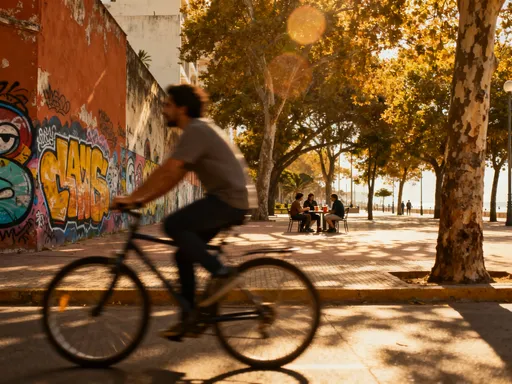
The city’s size is one of its greatest strengths. Unlike larger capitals that demand schedules and metro maps, Malmö invites you to wander without a plan. You can start your morning at a sunlit café, drift into a neighborhood market by midday, and end the afternoon strolling along the water — all without rushing. This ease of movement fosters spontaneity, allowing visitors to stumble upon quiet courtyards, vibrant street art, or a spontaneous music performance in a park. The pace encourages mindfulness, making Malmö not just a destination to see, but a place to feel. It’s the kind of city where you can truly unplug and reconnect with the joy of being present.
Moreover, Malmö’s cultural diversity adds depth to its charm. Influences from across Europe and beyond have shaped its food, fashion, and community life. Neighborhoods like Möllevången and Västra Hamnen reflect this blend, where traditional Swedish design coexists with global flavors and modern sustainability. This openness makes the city welcoming, especially for travelers seeking authenticity over spectacle. Whether you're sitting on a bench watching children play, browsing handmade crafts at a local market, or sipping coffee in a sun-dappled square, Malmö offers a refreshing reminder that leisure doesn’t need to be extravagant to be meaningful.
Slottsparken: More Than Just a Pretty Park
At the heart of Malmö’s green identity lies Slottsparken, a serene urban park that serves as the city’s living room. Framed by the historic Malmö Castle, this lush expanse of grass, trees, and winding paths is more than just a scenic backdrop — it’s a central part of daily life for locals. Families gather for weekend picnics, students read under the shade of old oaks, and joggers weave through flower-lined trails. The park’s duck pond, with its resident swans and geese, adds a storybook quality, especially enchanting for children. In spring, cherry blossoms bloom in soft pinks, while autumn paints the trees in warm golds and reds, making every season a reason to return.
What sets Slottsparken apart is its year-round vibrancy. Even in winter, when frost glistens on the grass and the air is crisp, people walk their dogs or stroll hand-in-hand, bundled in woolen scarves. The park hosts seasonal events, such as outdoor concerts in summer and holiday markets in December, bringing the community together in shared celebration. Its proximity to the castle also makes it a natural extension of cultural visits — many tourists stop by the museum but few linger in the park, missing out on one of Malmö’s most peaceful retreats. For those seeking a quiet moment, a bench facing the water offers a perfect spot to sip coffee from a thermos and watch the world go by.
Nearby cafés and kiosks make it easy to turn a simple walk into a full afternoon of relaxation. You’ll find small vendors selling hot chocolate, cinnamon buns, and glögg during colder months, adding to the cozy atmosphere. Parents appreciate the playgrounds, while fitness enthusiasts enjoy the open spaces for yoga or tai chi. Slottsparken is not just a green space — it’s a living, breathing part of Malmö’s social fabric. It represents a Nordic ideal: nature seamlessly woven into city life, accessible to all, and cherished by many. For visitors, spending time here offers a genuine taste of how Swedes balance urban living with tranquility.
The Västra Hamnen Waterfront: Urban Cool Meets Nature
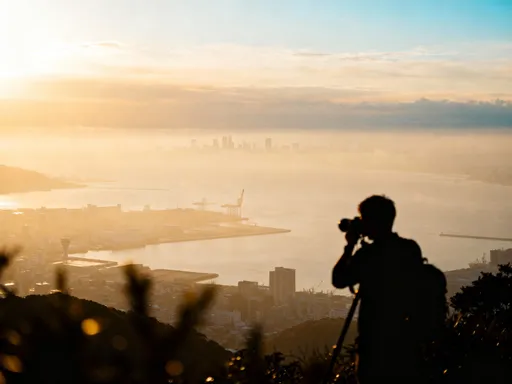
Västra Hamnen, also known as the Western Harbour, is where Malmö’s modern vision comes to life. Once an industrial dockyard, this waterfront district has been transformed into a model of sustainable urban living. The area is a testament to thoughtful city planning, where eco-friendly architecture, pedestrian pathways, and open green spaces coexist in harmony. Walking along the promenade, you’re greeted by sweeping views of the Öresund Strait, with Denmark visible on clear days. The air smells faintly of salt and seaweed, and the sound of waves blends with the distant hum of city life. This is a place designed for leisure, reflection, and connection — both to nature and to community.
The centerpiece of Västra Hamnen is the Turning Torso, Sweden’s tallest skyscraper, a twisting white tower that has become a symbol of Malmö’s reinvention. While many come to photograph it, the real magic lies at ground level. The harbor path is ideal for walking or cycling, with benches placed at scenic intervals for rest and contemplation. Along the route, you’ll pass rooftop gardens, solar-paneled homes, and public art installations that reflect the area’s creative spirit. The district is also home to eco-conscious residents, many of whom garden on communal plots or participate in neighborhood sustainability initiatives. This sense of environmental responsibility adds a quiet pride to the atmosphere.
One of the most beloved spots in the area is Ribersborgsstranden, a sandy beach just a short walk from the harbor. Known locally as “Ribban,” it’s a favorite for swimming in summer and beachcombing in winter. The wooden changing houses, painted in classic red and white, stand like sentinels against the sea. Even in colder months, locals brave the icy waters for a traditional Scandinavian cold plunge, believing in its health benefits. The adjacent Ribersborg Open-Air Bath, open since 1898, offers saunas and warm showers, making the experience accessible year-round. Whether you’re sunbathing on a summer afternoon or watching the sunset over the water in winter, Ribersborgsstranden captures the essence of Malmö’s laid-back relationship with nature.
Local Cafés That Feel Like Home
No visit to Malmö is complete without experiencing its café culture — a cornerstone of daily life and social connection. Here, coffee is more than a drink; it’s a ritual, a pause, a way of being. The Swedish tradition of *fika* — taking a break with coffee and something sweet — is alive and well in Malmö’s cozy, design-forward cafés. These spaces are intentionally warm and inviting, with soft lighting, wooden furniture, and the gentle hum of conversation. Many are run by independent owners who source beans locally and bake pastries fresh each morning. The emphasis is on quality, comfort, and community, not speed or efficiency.
While specific names may vary, the types of cafés found throughout the city share a common ethos. In the older neighborhoods, you’ll discover corner spots with mismatched chairs, bookshelves, and board games — places where time slows down and strangers strike up conversations. Others lean into minimalist Nordic design, with clean lines, pale wood, and carefully curated playlists that enhance the calm. Some specialize in organic pastries or vegan treats, reflecting Malmö’s progressive food culture. Whether tucked into a quiet alley or nestled in a bustling market hall, these cafés offer refuge from the outside world.
Fika is not just for friends or couples — it’s a practice embraced by solo visitors too. Sitting alone with a cinnamon bun and a cup of coffee is not seen as lonely, but as an act of self-care. Many locals schedule fika into their workday, using it to recharge and reconnect. For travelers, joining in this ritual is a simple yet profound way to experience Swedish life. It teaches the value of slowing down, savoring small pleasures, and finding joy in the ordinary. In a world that often feels rushed, Malmö’s cafés offer a gentle reminder that rest is not wasted time — it’s essential.
Pehr’s Gata and Södergatan: Where Street Life Shines
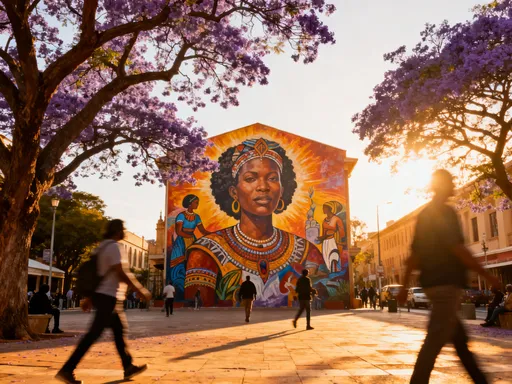
If Malmö has a cultural heartbeat, it pulses strongest along Pehr’s Gata and Södergatan, two lively streets in the Möllevången and Söder districts. These avenues are a sensory feast — colorful murals cover building facades, the scent of spices drifts from open market stalls, and the sound of live music often spills from outdoor stages. Unlike polished tourist zones, this part of the city feels raw, real, and full of energy. It’s where Malmö’s multicultural identity shines brightest, with shops and eateries reflecting influences from the Middle East, Africa, and Southern Europe. Walking here feels like stepping into a living mosaic of cultures, each contributing to the city’s unique rhythm.
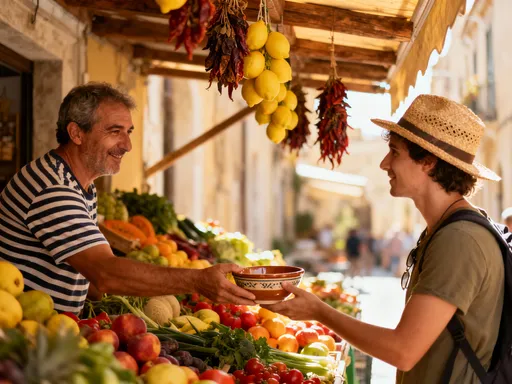
Möllevångstorget, the central square along this stretch, is a hub of activity. The weekly market draws crowds with fresh produce, handmade jewelry, and aromatic street food. Vendors call out greetings in multiple languages, and the air is thick with the smell of grilled meats, fresh herbs, and baked flatbreads. It’s a place to wander without a destination, letting curiosity guide your steps. You might stumble upon a pop-up art exhibit, a small concert by a local band, or a group of children playing music on handmade instruments. The spontaneity is part of the charm — there’s always something unexpected happening.
Södergatan, meanwhile, offers a mix of vintage shops, independent boutiques, and cozy bars. The street is lined with outdoor seating, where people linger over drinks long after their meals are finished. In warmer months, string lights glow above the pavement, and the atmosphere turns festive. Even in rain, the covered patios stay busy, proving that Malmö’s street life thrives in all weather. These streets are not about shopping or sightseeing — they’re about being part of the moment. For visitors, spending time here is a lesson in presence, in learning to enjoy the flow of city life without needing to capture it all on a phone.
Off-the-Beaten-Path Courtyards and Cultural Hubs
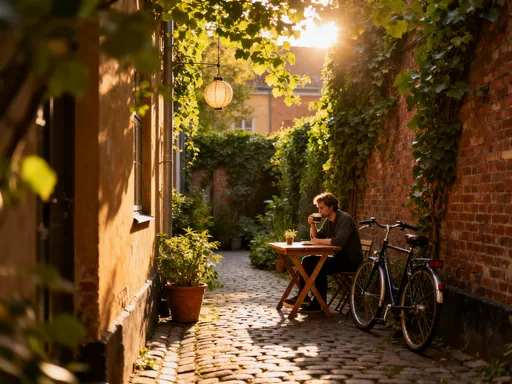
One of Malmö’s best-kept secrets lies behind unmarked doors and narrow alleyways — its hidden courtyards, or *gårdar*. These inner sanctuaries, often tucked between city blocks, are remnants of older urban planning but have been revitalized as creative and social spaces. Some are quiet, with ivy-covered walls and potted plants; others buzz with activity, hosting small art exhibitions, craft workshops, or outdoor yoga classes. These courtyards are not listed in guidebooks, yet they are vital to Malmö’s cultural soul — places where artists, makers, and neighbors gather away from the noise of main streets.
Many of these spaces originated in old industrial buildings or repurposed warehouses. Over time, they’ve become community hubs, managed by cooperatives or nonprofit groups. You might find a printmaking studio sharing a courtyard with a pottery workshop, or a community garden where residents grow vegetables and herbs together. Some host evening events — acoustic music, poetry readings, or seasonal markets — that draw both locals and curious visitors. These gatherings are low-key by design, emphasizing connection over performance. There’s no pressure to spend money or stay long — just an open invitation to be part of something authentic.
Exploring these courtyards requires a bit of courage — they’re not always clearly marked, and some are only accessible during certain hours. But the reward is a glimpse into Malmö’s quieter, more intimate side. These spaces reflect a deep respect for shared ownership and creative expression. They are not commercialized, not Instagram-optimized, but real in the most meaningful sense. For travelers seeking depth over spectacle, stepping into one of these hidden worlds can be the most memorable moment of a trip — a reminder that the heart of a city often beats in its unseen corners.
Seasonal Leisure: How Malmö Changes Through the Year
Malmö’s charm shifts beautifully with the seasons, offering a different kind of leisure experience in each. This is a city that embraces change, adapting its rhythms to the natural world rather than resisting it. In spring, the parks burst into bloom, with tulips, daffodils, and cherry trees creating a pastel palette across the city. People emerge from winter hibernation, filling the streets with renewed energy. Outdoor markets reopen, and café terraces extend onto sidewalks, signaling the return of longer days.
Summer transforms Malmö into an open-air living room. The beaches become lively, the parks host picnics and concerts, and the city’s many canals are dotted with paddle boats and kayaks. Long daylight hours encourage late dinners and evening strolls. Festivals pop up in neighborhoods, celebrating music, food, and art. This is the season of connection — when strangers share smiles on crowded promenades and children play freely in public squares. Even heatwaves are met with calm, as locals retreat to shaded parks or cool seaside spots.
Autumn brings a quieter beauty. The trees turn golden, and a soft mist often hangs over the water in the mornings. It’s a time for cozy sweaters, warm drinks, and indoor creativity. Art galleries and community centers host new exhibitions, and cafés introduce seasonal menus with pumpkin bread and spiced cider. The pace slows, but the city remains alive with cultural energy. Winter, while cold and dark, is far from bleak. Malmö lights up with holiday decorations, and the scent of mulled wine fills the air at Christmas markets. Indoor leisure thrives — libraries, museums, and wellness centers see more visitors, and the tradition of fika becomes even more cherished. Through every season, Malmö offers reasons to relax, reflect, and enjoy life at a gentle pace.
The city’s ability to adapt without losing its essence is part of what makes it so special. Whether under summer sun or winter snow, Malmö remains committed to quality of life, community, and balance. There is no single best time to visit — each season reveals a different layer of its personality. For travelers, this means that no matter when you come, you’ll find a version of Malmö ready to welcome you with open arms and a warm cup of coffee.
In the end, Malmö’s magic isn’t in grand attractions or famous landmarks — it’s in the quiet moments. It’s in the way sunlight filters through trees in Slottsparken, the sound of waves at Ribban, the warmth of a café on a rainy afternoon. This is a city that rewards slowness, curiosity, and presence. It invites you not to check off sights, but to live like a local, even if just for a few days. So take your time. Let the rhythm of Malmö guide you. Wander without a map, sit without a schedule, and allow yourself to be surprised. Because in this unassuming Swedish city, the most unforgettable experiences are often the ones you never planned for.