How I Turned My Fashion Spending Into a Smarter Investment Game
What if your love for designer bags or limited-edition sneakers could actually help grow your wealth instead of draining it? I used to see fashion as pure expense—until I realized the hidden financial potential in every purchase. By shifting my mindset and applying real asset allocation strategies, I stopped just consuming and started building value. This isn’t about splurging smarter; it’s about treating fashion as a calculated part of my portfolio. Here’s how I redefined the rules.
The Moment I Realized Fashion Wasn’t Just an Expense
For years, fashion spending felt like a necessary evil—a line item on my budget that only moved in one direction: out. Every new dress, pair of shoes, or handbag was a loss the moment it left the store. Unlike a home or retirement account, these items didn’t generate returns. They were purely consumptive, emotional purchases, often justified with phrases like “I deserve it” or “It’s on sale.” But after reviewing my annual spending, I noticed something unexpected: not all fashion depreciated equally. While most clothing lost value quickly, a few select pieces held theirs—and some even gained.
One example stood out: a vintage leather jacket I’d bought five years earlier from a boutique during a trip to London. I wore it often but cared for it meticulously. When I casually listed it on a resale platform, I received offers nearly double what I’d paid. That moment was a revelation. It wasn’t luck—it was the combination of rarity, brand reputation, and condition that had preserved and enhanced its worth. This wasn’t just clothing anymore; it was an asset. The shift in perspective was subtle but powerful. Instead of asking, “Can I afford this?” I began asking, “Will this hold value?” The emotional impulse to buy started competing with a new, more disciplined question: “Is this a long-term keeper or a short-term thrill?”
This mental reframing didn’t happen overnight. It required tracking purchases, analyzing resale data, and accepting that most fashion items are, in fact, poor investments. But by identifying the exceptions—the pieces that transcend trends and maintain desirability—I began to see fashion not as a drain, but as a potential contributor to my financial strategy. The realization wasn’t that I should stop buying clothes. It was that I should buy differently. Intentionality replaced impulse. Value replaced vanity. And slowly, my closet began to reflect not just my taste, but my growing financial awareness.
Redefining Assets: When Style Meets Store of Value
Traditionally, an asset is something that holds or increases in value over time—real estate, stocks, gold. These are the building blocks of wealth, taught in financial literacy courses and retirement planning guides. But the definition of an asset doesn’t have to be confined to the stock market or property deeds. Tangible, personal items can also serve as stores of value, especially when scarcity, craftsmanship, and cultural relevance converge. High-end fashion, particularly from heritage brands or limited production lines, fits this profile in ways that challenge conventional financial thinking.
Consider the rise of collectible fashion. Items like Hermès Birkin bags, Rolex watches, or rare Nike collaborations have demonstrated consistent appreciation. A 2022 report by Baghunter showed that select Birkin models appreciated at an average annual rate of 14.2% over the past decade—outperforming many traditional investment vehicles. Similarly, StockX’s market data revealed that certain sneaker releases doubled in value within months of launch. These aren’t isolated cases; they reflect a growing trend where fashion functions as an alternative asset class, much like fine art or vintage wine.
What separates these pieces from ordinary apparel? First, scarcity. Limited production runs or exclusive releases create artificial supply constraints, driving demand. Second, brand equity. Companies with long-standing reputations for quality and exclusivity—such as Chanel, Gucci, or Supreme—have cultivated loyal followings that treat their products as status symbols and collectibles. Third, cultural resonance. Fashion that captures a moment—like Y2K revival pieces or streetwear’s crossover into high fashion—can gain value through nostalgia and media attention.
But not all designer items qualify. A mass-produced coat from a luxury brand’s seasonal line may lose value immediately, just like fast fashion. The key is curation. True value-holding pieces are often timeless in design, made with premium materials, and released in limited quantities. They are not defined by trendiness but by longevity. Recognizing this distinction allows consumers to shift from passive buyers to strategic collectors. It’s not about owning more; it’s about owning better. And when done right, this approach transforms fashion from a cost center into a potential source of long-term value.
Building a Fashion Allocation Within Your Portfolio
Just as financial advisors recommend diversifying investments across asset classes, I began applying the same logic to my fashion spending. Instead of treating all clothing purchases as equal, I created a tiered system. The majority of my wardrobe budget—about 80%—goes toward practical, everyday wear: quality basics, seasonal staples, and functional pieces that serve their purpose without pretense. These are consumables, and I accept their depreciation as part of normal life.
The remaining 10–15% is reserved for what I call “style assets”—high-potential items with the capacity to retain or increase in value. This allocation is not arbitrary. It’s based on my discretionary income and designed to ensure that investing in fashion doesn’t compromise savings, debt repayment, or emergency funds. The discipline of setting a fixed percentage prevents overcommitment, much like how investors cap exposure to high-risk sectors. It also forces prioritization. With a limited budget for value-driven fashion, I must be selective, evaluating each potential purchase against clear criteria: brand reputation, production volume, design timelessness, and resale history.
Over time, this structured approach has yielded measurable benefits. Some pieces, like a classic trench coat from a renowned British brand, have maintained their worth and remain wearable after a decade. Others, such as a limited-edition sneaker collaboration, have appreciated significantly and were sold at a profit. Even when an item doesn’t gain value, breaking even on a high-quality piece feels like a win compared to the typical 50–70% loss seen in traditional retail resale. More importantly, this allocation has changed my behavior. I no longer feel pressured to buy into every trend. Instead, I wait for the right opportunity—much like an investor waiting for a stock to enter a favorable price range.
This method isn’t about turning a profit on every single item. It’s about shifting the overall trajectory of fashion spending from pure loss to partial preservation—or even growth. By treating a small portion of my wardrobe as a long-term investment, I’ve gained both financial and psychological returns. The satisfaction of owning a piece that appreciates is matched only by the peace of mind that comes from spending with purpose.
The Resale Revolution: Turning Wardrobe Gains Into Cash Flow
One of the most transformative aspects of this strategy has been the ability to monetize my wardrobe. In the past, unworn or outgrown items sat in my closet, forgotten and unused—what economists call “dead capital.” Today, they represent potential liquidity. Thanks to online resale platforms like Vestiaire Collective, Grailed, and StockX, turning fashion into cash has never been easier. These marketplaces provide authentication services, global reach, and real-time pricing data, allowing sellers to maximize returns with minimal effort.
I now treat my closet like a dynamic portfolio, regularly reviewing which pieces to hold and which to sell. Timing is critical. For limited-edition releases, the optimal window is often 6 to 18 months after launch, before supply increases and demand wanes. I monitor resale trends, set price alerts, and avoid emotional attachments that might delay a sale. A pair of rare sneakers, for example, sold at peak value 11 months after purchase, netting a 65% return. Another, a vintage designer handbag, appreciated steadily over three years before being traded up for a newer model—what I call a “value exchange” rather than a disposal.
The process has taught me valuable financial lessons. Liquidity matters. Just as stocks can be sold quickly in a crisis, having high-value fashion items that can be converted to cash provides a psychological and practical safety net. It’s not a replacement for an emergency fund, but it adds a layer of financial flexibility. Additionally, the resale market has made me more accountable. Knowing that every purchase could eventually be listed for sale encourages me to buy only what I truly value and can maintain in excellent condition.
This isn’t about constant flipping or chasing short-term gains. That approach carries risk and often leads to losses when market conditions shift. Instead, I focus on strategic rotation—holding items long enough to benefit from appreciation, then selling at the right moment to reinvest in new value-holding pieces. It’s akin to rebalancing a retirement portfolio: selling high-performing assets to buy undervalued ones, maintaining equilibrium and long-term growth. In this way, fashion becomes not just a personal expression, but a functional part of my financial ecosystem.
Risk Control: Avoiding the Hype Traps and Emotional Buys
Just as financial markets are vulnerable to bubbles, the fashion resale world is susceptible to hype-driven inflation. Limited drops, influencer endorsements, and viral social media moments can create artificial demand for items with little intrinsic value. I learned this the hard way when I purchased a hyped sneaker collaboration that sold out in minutes. The resale price spiked to three times retail—but within six months, it had crashed back to near original cost. I sold at a small loss, a humbling reminder that popularity doesn’t guarantee longevity.
To avoid repeating this mistake, I developed a checklist to evaluate potential purchases. First, I ask: Is this iconic or just trendy? Timeless design is a strong indicator of lasting value. Second, is the brand known for quality and consistency? Brands with decades of heritage are more likely to maintain desirability. Third, is the item versatile? Pieces that can be worn in multiple settings or styled in different ways tend to have broader appeal and longer shelf lives. Finally, what does the resale history show? If similar items have held value over time, that’s a positive signal.
This framework acts as a filter against emotional decision-making. It doesn’t eliminate risk—no strategy can—but it reduces exposure to volatile, overpriced items. It’s similar to how investors avoid meme stocks or speculative cryptocurrencies without fundamentals. Diversification also plays a role. I don’t put all my fashion allocation into one category. Instead, I spread it across handbags, footwear, outerwear, and accessories, ensuring that a downturn in one segment doesn’t wipe out my entire value portfolio.
Another key risk management tool is patience. I’ve adopted a 48-hour rule: no purchase over a certain price threshold is made immediately. I sleep on it, research resale data, and consult community forums. This cooling-off period has prevented several regrettable buys. It’s a small habit, but one that reinforces discipline. In both investing and fashion, the most dangerous force isn’t market volatility—it’s human emotion. By building systems to counteract impulse, I’ve protected my financial goals while still enjoying the pleasure of curated style.
The Maintenance Mindset: Preserving Value Like a Pro
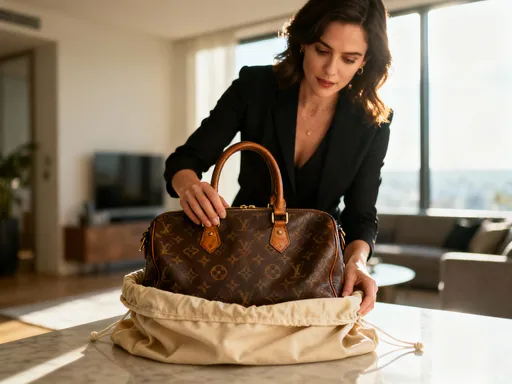
An asset is only as valuable as its condition. A rare handbag with stains or a scratched strap can lose 30–50% of its resale value overnight. The same is true for shoes with worn soles or jackets with pilling fabric. Recognizing this, I adopted a preservation routine as rigorous as any financial audit. High-value pieces are stored in dust bags, with stuffing to maintain shape. Silica gel packets control moisture, and climate-controlled closets prevent damage from humidity or temperature swings. I avoid wearing certain items in inclement weather and limit wear frequency to minimize wear and tear.
Cleaning is another critical factor. I use professional services for delicate materials like suede, exotic leathers, or structured handbags. DIY cleaning might seem cost-effective, but one mistake—using the wrong solution or over-saturating fabric—can permanently devalue an item. I also keep all original packaging: boxes, authenticity cards, care booklets, and receipts. These aren’t clutter; they’re proof of provenance, much like a car’s service history or a stock’s transaction record. On resale platforms, complete sets command higher prices and inspire greater buyer confidence.
This level of care might seem excessive, but it’s no different than maintaining a home or vehicle. A well-kept asset retains its worth; a neglected one does not. I’ve seen firsthand how minor details impact returns. A coat with a missing button sold for 20% less than an identical one in pristine condition. A handbag with its original tags still attached fetched a 15% premium. These differences add up over time, turning meticulous maintenance into a silent profit generator.
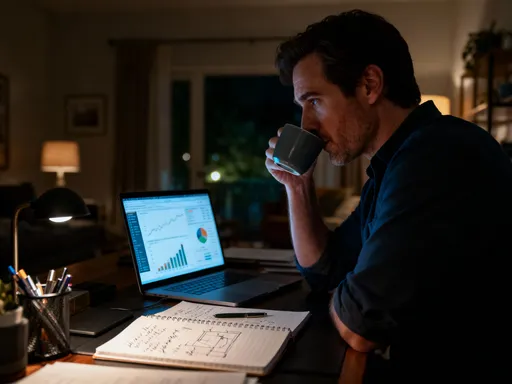
The maintenance mindset extends beyond physical care. I track my high-value items in a digital inventory, noting purchase date, price, condition, and resale value estimates. This allows me to monitor performance, identify underperforming pieces, and make informed decisions about holding or selling. It’s a simple spreadsheet, but it functions like a portfolio dashboard. When fashion is treated with the same seriousness as financial assets, the results follow: longer lifespan, higher returns, and greater control over outcomes.
Beyond the Closet: How This Strategy Changed My Financial Thinking
What began as an experiment in smarter shopping evolved into a broader financial transformation. Applying asset allocation principles to fashion didn’t just improve my wardrobe—it reshaped my entire relationship with money. I became more patient, more analytical, and more intentional in all areas of spending. The discipline of research, delayed gratification, and value assessment spilled over into grocery shopping, home repairs, and even gifting. I started asking the same questions: Will this last? Can it appreciate? Is it worth the cost over time?
This mindset also deepened my engagement with personal finance. I began reading more about investment strategies, market cycles, and risk management. I applied the same principles of diversification and timing to my stock portfolio. I became more comfortable tracking net worth, setting financial goals, and planning for long-term security. Fashion didn’t replace traditional investing—it complemented it, serving as a tangible entry point into financial literacy.
Perhaps the most profound change was emotional. I no longer feel guilt or anxiety about spending on things I love. Instead, I feel empowered. Every purchase is a decision, not a reaction. I’ve stopped measuring wealth solely by bank statements and started seeing it in the quality and intentionality of what I own. This isn’t about luxury for luxury’s sake. It’s about building a life where every dollar spent has purpose, where style and substance coexist, and where even the most personal choices can contribute to long-term stability.
Fashion will never be the cornerstone of my financial plan. But it has become a powerful teacher. It has shown me that value isn’t always found in spreadsheets or brokerage accounts. Sometimes, it’s in the stitching of a well-made coat, the weight of a timeless watch, or the history behind a vintage bag. When you start seeing your possessions not as expenses but as potential assets, you stop consuming mindlessly. You begin to build—quietly, deliberately, one thoughtful piece at a time.